The Control of Substances Hazardous to Health regulations (COSHH) requires employers to monitor and manage the use of any substances that are potentially hazardous to health. According to the UK’s Health and Safety Executive (HSE), these substances may include (but are not limited to) chemicals and products containing hazardous chemicals […]
Safety Management

Permit to Work (PTW) System — What it is and How to Implement it in Your Business
From 2018 to 2021 an average of 88,000 workers in the UK suffered from ill health, and there were 57,000 non-fatal injuries each year.
And while these numbers have been steadily decreasing over the last few decades, there’s always room for improvement […]

Considering COSHH — What’s Covered and Who’s Impacted
Hazardous substances in the workplace pose potential health risks. Consider a manufacturing plant with an excess of dust and vapors. Not only could these substances harm workers after prolonged exposure, but could lead to even more significant hazards such as unexpected and uncontrolled fire or explosions. This isn’t just an academic risk — as noted by World-Grain, the United States experiences eight-grain dust explosions every year on average. […]
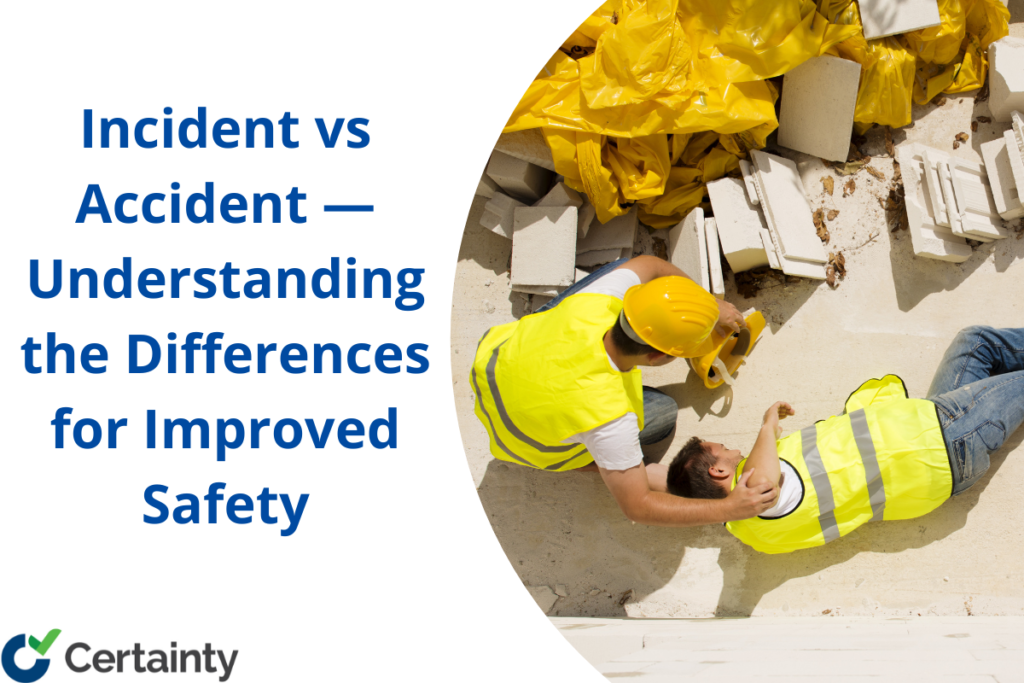
Incident vs Accident — Understanding the Differences for Improved Safety
Accidents happen. According to the International Labour Organization, approximately 340 million workplace accidents happen each year.
But accidents don’t tell the whole story. While taking steps to reduce the risk of accidents can help keep workers safe and limit potential disruptions, organizations also need to consider the role of incidents in improving overall safety. […]
What is EHS and Why Its Important
According to recent survey data, 68% of staff say they don’t feel completely safe at work. Reasons vary — some are worried about risks to their health from airborne contaminants or caustic materials, and others are concerned about environmental issues such as working conditions and procedural risks. Still, others point to safety concerns around current operations that could put their lives and livelihoods at risk. […]
The Differences Between OSHA 301, 300, and 300A
Summary: OSHA Forms 300, 300A, and 301 serve different roles in injury and illness recordkeeping: Form 301 captures the incident details, Form 300 logs each recordable case, and Form 300A summarizes annual totals for posting and review. For safety and compliance teams, understanding how these OSHA forms connect is essential for accurate reporting, deadline compliance, […]
Safety Observations: 9 Common Examples
Health and safety are everyone’s business. Companies that make safety a shared responsibility across front-line staff, managers, and C-suite executives are better equipped to identify, quantify, and remediate key issues. One key component in creating a safety culture is the Safety Observations Report. By documenting potentially unsafe practices and processes on-site, organizations can create action plans to address these issues — before they cause loss of productivity or serious harm. […]
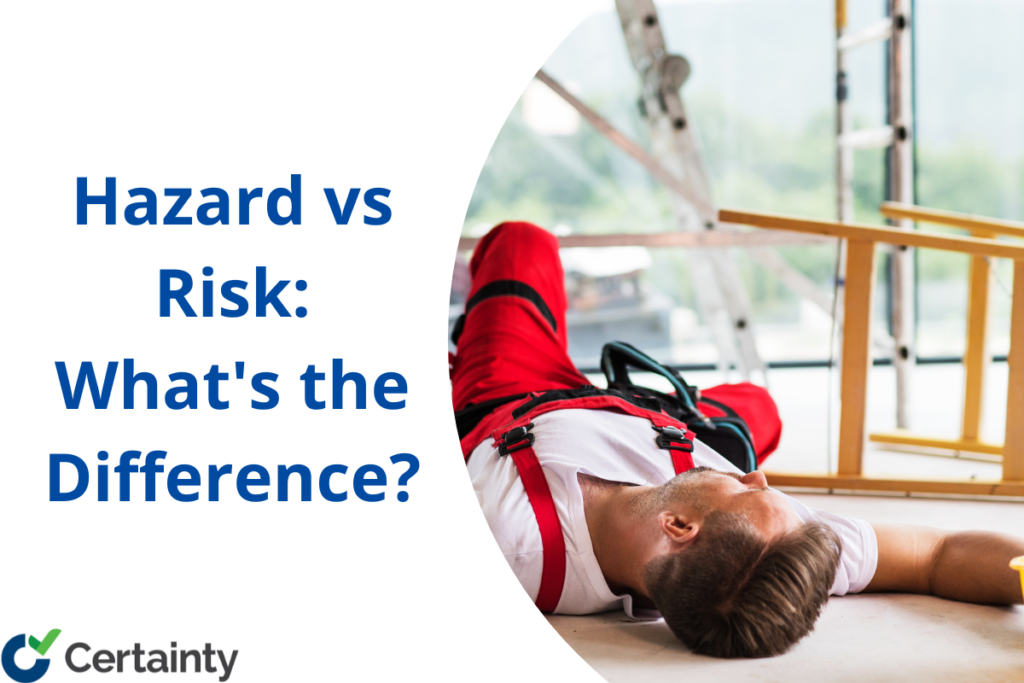
Hazard vs Risk: What’s the Difference?
Hazards and risks are interconnected. Both represent potential problems for companies if workers are injured as a result of preexisting hazards or risks, the results could have both short- and long-term implications on health and safety. It’s worth noting, however, that while hazards and risks are similar, they’re not the same thing. […]

What is an ISO Audit — and Why Does Your Business Need One?
Summary: An ISO audit is a systematic, independent evaluation of your organization's practices against internationally recognized standards for quality management, environmental management, or information security. For QA Managers, Quality Directors, and Lead Auditors, ISO audits validate that quality management systems are functioning effectively and drive measurable improvements in non-conformance rates, audit completion rates, and time […]

What is HACCP?
Summary: HACCP (Hazard Analysis Critical Control Point) is a systematic, prevention-based methodology that identifies and controls food safety hazards throughout the entire production and processing chain, rather than relying on finished-product testing alone. For Quality Managers, Plant Managers, and food safety professionals, this framework serves as the foundation for compliance with FDA cGMP, ISO 22000, […]
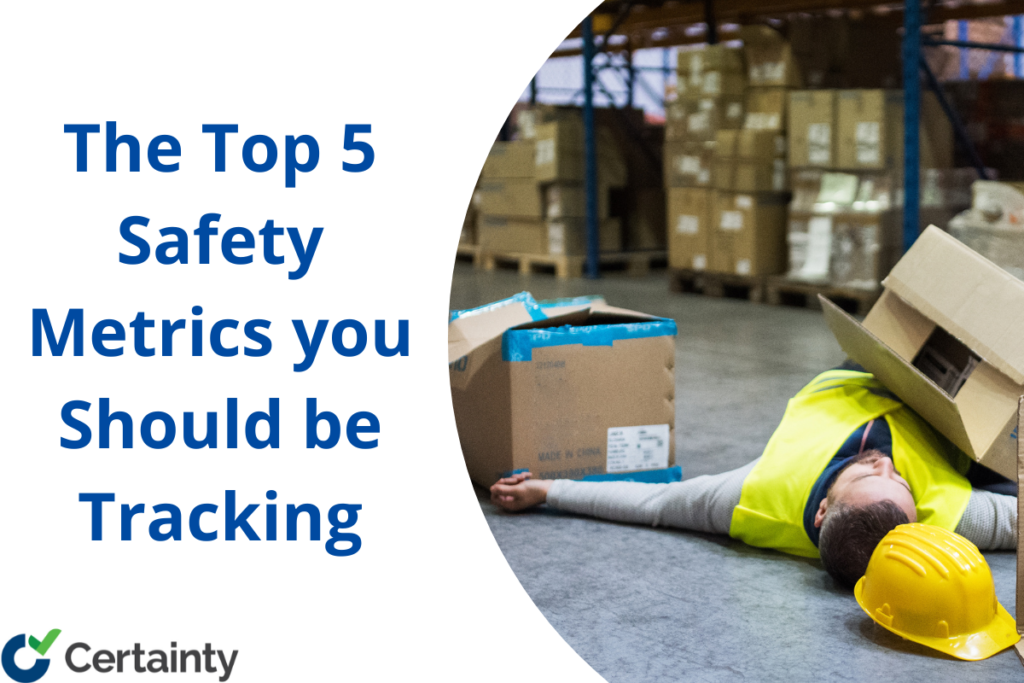
The Top 5 Safety Metrics You Should be Tracking
Summary: Safety metrics turn workplace safety from guesswork into a measurable management system by showing where incidents, delays, and unresolved hazards are actually occurring. Tracking TRIR, DART, LTIFR, near misses, and time to resolution gives EHS managers both lagging and leading indicators they can use to prevent injuries, support OSHA compliance, and strengthen ISO 45001 […]

The Difference Between Leading and Lagging Safety Indicators
Summary: Leading and lagging safety indicators work together to show both future risk and past performance within a safety management system. Leading indicators measure preventive activity like inspections, training, and hazard reporting, while lagging indicators track results such as injuries, recordables, and lost time incidents. For EHS managers, using both types of safety indicators creates […]

Leading Safety Indicators: Examples and Applications
Summary: Leading safety indicators are proactive measures, such as inspection completion, training participation, and near-miss reporting, that show whether a safety program is preventing incidents before harm occurs. Unlike lagging metrics that only record past outcomes, leading safety indicators help EHS teams spot weakness early and intervene faster. For Safety Directors, tracking the right leading […]
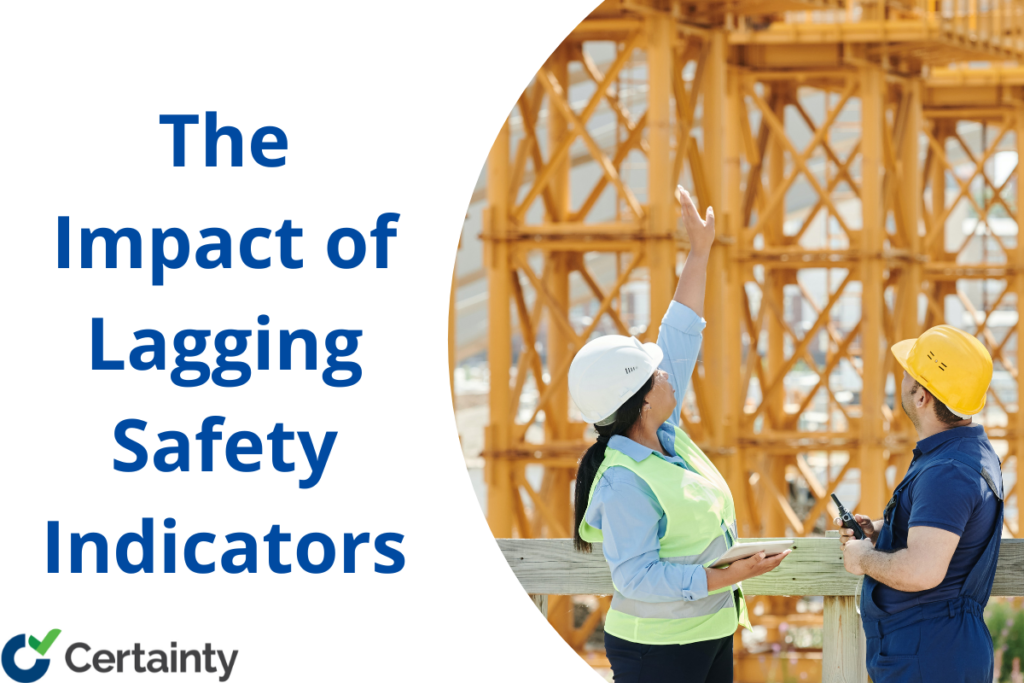
The Impact of Lagging Safety Indicators on Workplace Operations
Summary: Lagging indicators measure incidents and losses that have already occurred, making them essential for understanding historical safety performance and identifying recurring risk patterns. For safety managers, metrics such as recordable injuries, lost time, and severity rates provide the baseline needed to evaluate whether controls are working. Lagging indicators are most useful when they inform […]
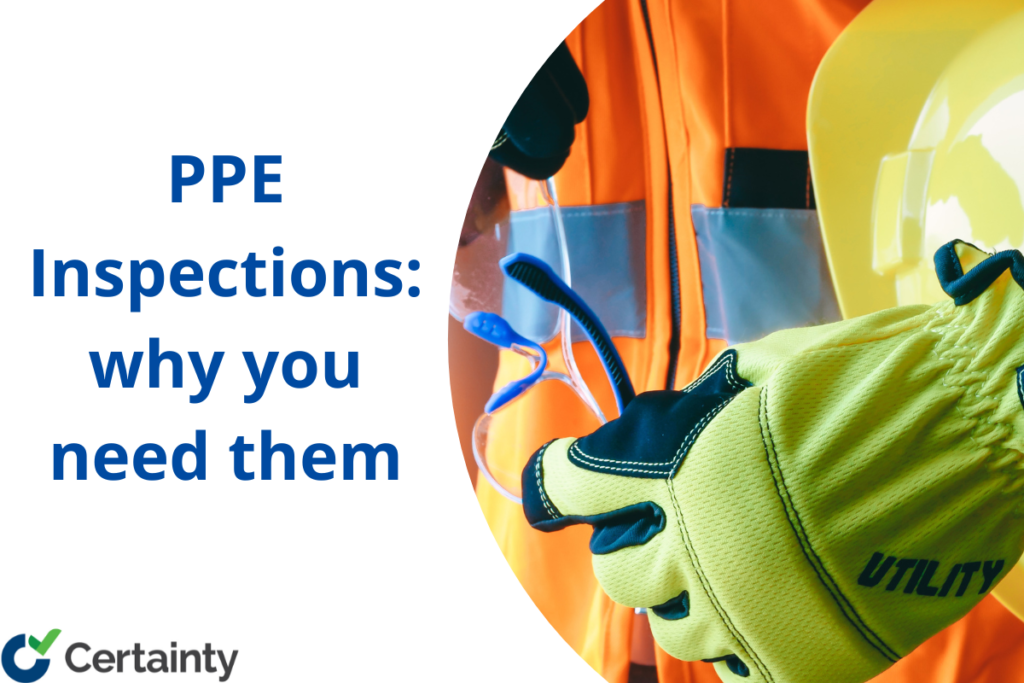
PPE Inspections: What They Are and Why You Need Them
Summary: Personal protective equipment is only effective when the right PPE is selected, used correctly, and inspected regularly to confirm it still protects against workplace hazards. For safety managers, PPE compliance is not just about issuing gear; it requires structured inspection, maintenance, and replacement processes aligned with OSHA requirements. Strong PPE programs reduce injury risk, […]